
March 15, 2024
Advanced Load Forecasting Models
Dive into the methodologies behind predictive load forecasting that enhance grid stability and energy distribution efficiency.
Read moreExplore our latest articles on load forecasting, AI-driven energy systems, and operational frameworks.
Dive into the methodologies behind predictive load forecasting that enhance grid stability and energy distribution efficiency.
Read more
How artificial intelligence is revolutionizing operational consistency and reliability in modern energy systems across Canada.
Read more
Examining structured approaches and flow diagrams for automated energy dispatch to optimize resource allocation.
Read more
Building scalable and resilient energy operations frameworks with a focus on modular infrastructure layout.
Read more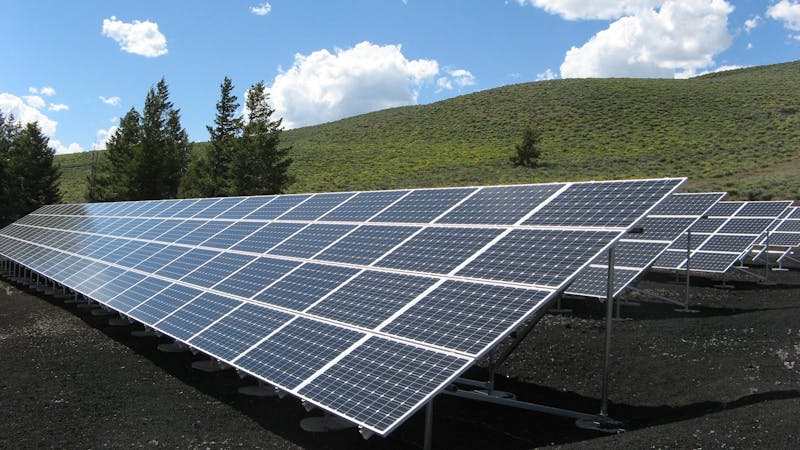
Key insights on forecasting and managing the integration of renewable sources into traditional energy grids.
Read moreThe modern energy landscape demands more than just reliable power generation; it requires intelligent, adaptive, and resilient operational frameworks. LoadflowCore examines structured approaches to managing complex energy systems through advanced forecasting models and automated dispatch logic. This article delves into how artificial intelligence is fundamentally enhancing operational consistency and infrastructure reliability across North American grids, with a focus on applications within the Canadian context.
At the heart of the LoadflowCore framework is load forecasting. By analyzing historical consumption patterns, weather data, and real-time grid conditions, AI-driven models can predict energy demand with unprecedented accuracy. This allows system operators to optimize generation schedules, reduce reliance on peaker plants, and integrate renewable sources like wind and solar more effectively. The result is a more stable grid and lower operational costs.
Beyond forecasting, the automated dispatch logic component acts as the central nervous system. It processes forecast data, grid topology, and market signals to make real-time decisions on power flow, voltage control, and contingency responses. This modular infrastructure layout ensures that each component—from sensors to control systems—communicates seamlessly, creating a cohesive flow of data and commands visualized in operational flow diagrams.
The integration of AI brings a layer of predictive maintenance and anomaly detection. Machine learning algorithms continuously monitor equipment health, identifying potential failures before they cause outages. This proactive approach is critical for maintaining the reliability of aging infrastructure, especially in regions with extreme weather, ensuring that the lights stay on for homes and businesses across Canada.
Implementing such an intelligent framework is not without challenges. It requires robust data governance, cybersecurity measures, and skilled personnel. However, the long-term benefits for utilities and consumers are clear: a smarter, more efficient, and more sustainable energy future. LoadflowCore provides the foundational tools to build this future, one intelligent operation at a time.